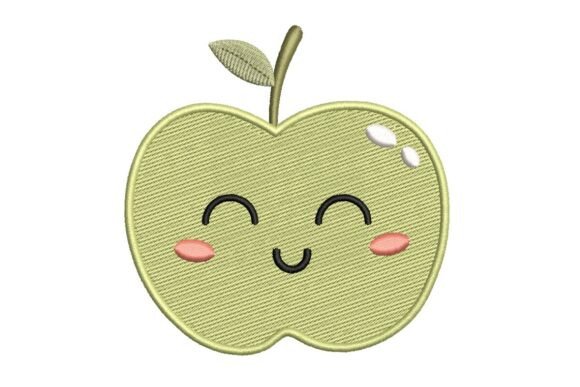
Kawaii Smiling Green Apple Embroidery Design Review
From the perspective of an embroidery designer preparing for a busy craft fair weekend, the Kawaii Smiling Green Apple machine embroidery design immediately stands out as a strong contender for booth display. This charming design delivers exactly what it promises: a healthy dose of cuteness. The smiling apple character leans heavily into the popular kawaii aesthetic, which translates effortlessly into a broad, marketable appeal, especially in the Nursery category. Its friendly, sweet vibe isn’t just decorative; it’s emotionally engaging, which is a key trigger for impulse purchases at handmade markets.
First Impression: Craft Fair Visual Appeal
The Kawaii Smiling Green Apple feels unabashedly cute and playful. It isn’t trying to be rustic, farmhouse, or minimal. Its strength is in its straightforward, joyful character. For a crowded craft fair table, this clarity is an asset. Customers scanning a booth from a few feet away can instantly understand the design—a happy, friendly fruit. This immediate readability helps it compete for attention amidst more complex or subtle designs. It feels giftable, approachable, and perfect for adding a soft, cheerful touch to everyday items.
Product Performance: Where This Design Shines
When selecting which products to embroider for my booth, I prioritize designs that adapt well to multiple items, maximizing the return on a single embroidery file. The Kawaii Smiling Green Apple performs exceptionally well on specific product types.
- Tote Bags & Market Bags: This design works beautifully as a medium-sized focal point on the front or side of a bag. The cute character elevates a simple bag into a charming, handmade product.
- Tea Towels & Aprons: Given its cheerful vibe, it’s a natural fit for kitchen textiles. Embroidered on a corner of a tea towel or centered on an apron pocket, it adds a personality that standard kitchen prints often lack.
- Pillow Covers & Small Pouches: For nursery or child-friendly decor, this apple is ideal. On a pillow cover, it serves as a sweet, non-overwhelming accent. On a fabric pouch, it turns a utility item into a gift.
- Embroidered Patches: This is one of its strongest applications. The defined, character-based shape makes for a perfect, stand-alone patch that can be sold individually or applied to various items.
- Caps & Hats: Careful consideration is needed here. The curved surface of a cap can challenge any design. The smiling apple would need to be tested at a smaller size to ensure the smile and apple shape retain clarity on the curved, often textured fabric.
For booth samples, I would create a real mockup on a tote bag and a tea towel—two high-volume craft fair items. These physical samples allow customers to touch and see the quality, which is far more persuasive than a digital mockup alone.
Practical Production & Selling Points
Turning a digital embroidery file into a batch of sellable handmade products requires a practical eye. Here’s my assessment for batch production.
Design Scale & Clarity
The Kawaii Smiling Green Apple likely works best as a medium to moderately large design. If stitched too small, the defining smile and apple details could lose their impact, especially on textured fabrics like towels. As a focal point, it’s excellent. It’s less suited as a tiny, repeating accent. For online listings like Etsy, this design photographs well because it’s bold, colorful, and simple to comprehend in a listing thumbnail, boosting click-through rates.
Production Considerations
Before running any batch, an embroidery designer must address key technical points. While specific stitch counts or hoop sizes aren’t provided here, the principles are universal.
- Stitch Density & Stabilizer: Fruit designs often have solid areas of fill stitches. Testing on scrap fabric with the correct stabilizer is crucial to prevent puckering, especially on lighter fabrics like pouches or pillow covers.
- Thread Contrast: The green apple on lighter fabrics will pop. On dark fabrics, a test run is essential to see if the design retains its cheerful brightness or if a fabric choice adjustment is needed.
- Batch Repeatability: This design seems highly repeatable. Its clear shape and likely straightforward color changes make it efficient for producing multiple tea towels or tote bags in a session, which is vital for stocking a craft fair booth.
- Commercial Licensing: Always confirm the license terms of the digital embroidery file before selling finished products. This is a non-negotiable step for any Etsy seller or small shop product.
Craft Fair Booth Impact & Customer Engagement
At the fair itself, the Kawaii Smiling Green Apple contributes to several key sales dynamics.
- Visual Appeal & Attention: Products featuring this design create a cohesive “cute” section on the display table. Grouping apple-embroidered totes, towels, and patches together amplifies their visual impact, drawing customers to that area.
- Product Value Perception: A well-embroidered, cheerful design on a quality tea towel significantly increases its perceived value over a plain one. It frames the item as a thoughtful handmade gift, not just a utility object.
- Handmade Quality Demonstration: Clean stitching on this design showcases your embroidery skill. The smooth curves of the apple and the clean smile line speak to quality craftsmanship in person.
- Buyer Engagement: Its friendly nature invites conversation. It’s easy for customers to say, “That’s so cute!” which opens a dialogue about your work, other products, and custom options.
Careful Use Notes for Specific Products
Even with a charming design, practical hurdles exist on certain craft fair products.
- Textured Towels: The looped texture of terry cloth or waffle weave can obscure finer details. A slightly larger size and robust stabilizer are advisable.
- Dense Stitch Areas: If the apple body is a solid fill stitch area, be mindful of stitch density on thinner fabrics like pouches to maintain fabric drape and prevent stiffness.
- Dark Fabric: As mentioned, always test. A bright green apple on a navy bag can look stunning, but you must ensure the thread color provides enough contrast.
- Curved Cap Surfaces: This is a potential challenge. Success depends on the specific embroidery file’s detail level at a reduced size. A physical test on a cap is mandatory before offering it as a product.
Final Designer Preparation Steps
To ensure the Kawaii Smiling Green Apple is ready for your craft fair or handmade shop, follow this final checklist.
- Test on Scrap Fabric: Use the actual fabrics you plan to sell (canvas, cotton, towel material) to check for puckering, clarity, and color contrast.
- Review Spacing & Hoop Size: Confirm the design fits efficiently within your standard hoop sizes for each product to minimize hoop changes during batch production.
- Inspect Stitch Density: Run the design and feel the finished sample. Is it too stiff for a pouch? Too dense for a lightweight tea towel? Adjust stabilizer accordingly.
- Create at Least One Real Mockup: Before photographing for your Etsy listing or investing in batch production, complete one flawless finished product. This is your quality benchmark.
- Compare Fabric Colors: Lay out your available fabric colors and envision the green apple on each. Which combinations look most vibrant and sellable?
- Confirm Commercial Use: Double-check the license for the digital embroidery file. Ensure your use as a commercial embroidery product for craft fair sales is permitted.
The Kawaii Smiling Green Apple embroidery design is a commercially smart choice for craft fair sellers. Its universal cuteness, clear visual identity, and adaptability to high-demand products like totes, towels, and patches make it a reliable asset for a bustling handmade market booth. With thorough testing and thoughtful product pairing, it can become a standout, profitable part of your embroidery product line.