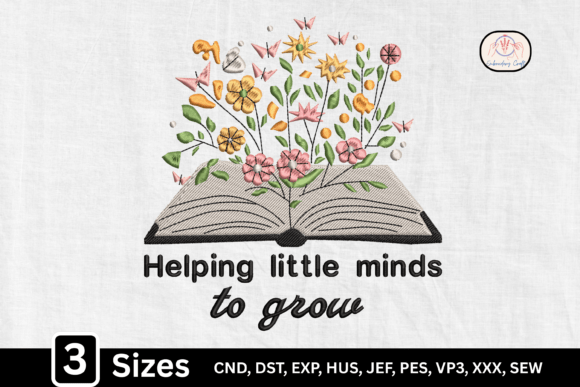
A Cheerful First Day of School Embroidery Design for Real Projects
Whenever a new design lands in my library, I look at it not just as an embroidery file, but as a finished product. I imagine it stitched out, held in my hands, or placed on a shelf in my shop. That's the mindset I bring to reviewing the First Day of School design. Its promise of capturing excitement and new beginnings is appealing, but my job as a designer is to translate that promise into a tangible, successful embroidery project.
The First Impression: A Mood That Translates Well to Stitch
The visual personality here is key. A "School Boy" theme suggests a certain innocence and optimism. It likely has shapes and elements that evoke that classic, cheerful back-to-school feeling. The layout and detail level are what I examine first. Too dense, it becomes a bulky applique; too sparse, it might look unfinished on a product. The fact it comes in four sizes is a major practical advantage. This means I can scale it for different projects without distortion—a small detail on a baby’s polo shirt, a bold centerpiece on a child’s sweatshirt, or a perfectly sized motif for a tote bag. That flexibility is a designer’s best friend.
Where This Design Naturally Belongs
In my workshop right now, I’m preparing a batch of custom back-to-school gifts for a local boutique. I’m thinking of linen pillow covers for a teacher’s lounge, or perhaps personalized cotton tote bags. The First Day of School design feels like a perfect candidate for this kind of project. Its cheerful theme would stitch out beautifully on those natural fabrics, adding a handmade, thoughtful touch that generic prints can’t match. For small business merchandise or Etsy listings, this design could be the star on a simple, high-quality tea towel or apron—items that sell well because they feel personal and useful.
I also picture it on a curated baby item, like a onesie or a lightweight blanket for a nursery. The “new beginnings” theme fits perfectly there. For apparel decorators, a well-placed version on the chest of a kid’s sweatshirt or the back of a cap could be a strong, seasonal product. The key is choosing the right size from the set for the base item. A large, dense design on a thin t-shirt is a recipe for puckering; a tiny version on a big tote might look lost.
Performance in Real Stitching Situations
Let’s talk about how this design would perform when the needle starts moving. On custom apparel, especially children’s wear, stitch clarity is paramount. I’d be looking carefully at any small lettering or intricate details in the design. These areas need a crisp satin or fill stitch to read well after laundering. On a dark fabric like a navy sweatshirt, the thread color contrast becomes critical—I’d test a few high-contrast color palettes on scrap fabric first to ensure the cheerful mood isn’t lost in shadow.
For products like embroidered patches or caps, the design’s adaptability to curved surfaces matters. The four sizes allow me to pick a version that fits the hoop area comfortably without cramping the edges. On home decor items like pillow covers or blankets, where the fabric is often textured, I’d pay close attention to stabilizer choice. A robust stabilizer would help the design, likely full of cheerful fills, sit flat and smooth, preserving that handmade presentation that increases product value.
Careful Application: Where to Be Mindful
Even a great design has its limits, and knowing them builds customer trust and professionalism. With a theme like this, the temptation might be to use it on everything. But practical judgment says to avoid very small hoop sizes if the design has dense stitch areas—they can become stiff and uncomfortable on lightweight fabrics. Similarly, stretchy fabric without proper stabilization could distort those hopeful shapes.
If the design includes decorative accents or tiny elements, I’d be cautious about using it on items destined for frequent washing, like kitchen towels or active kids’ clothes. A simpler, more robust version might be better, or perhaps using one of the smaller, less intricate sizes from the set. For layered garments or fabrics with a pronounced texture, a test stitch-out is non-negotiable. It reveals how the fill stitches interact with the fabric weave, impacting the final visual appeal.
Turning a Digital File into a Trusted Product
This is where the craft business perspective comes in. The First Day of School design isn’t just an image; it’s a commercial design asset. Before I commit to using it in holiday gifts or boutique products, I run a few standard checks. I always stitch a sample on both light and dark background scraps—it’s the fastest way to judge thread needs and contrast. I also create simple black and white mockups to see how the silhouette reads; this helps with placement on printable mockups for my Etsy listings or website.
For my own brand consistency, I consider how this cheerful design fits with my other work. Does it feel like it belongs in my shop’s collection? Its giftability and recognition factor are high, which is great for buyer engagement. Finally, and this is crucial for any digital embroidery file, I confirm the licensing terms before selling finished items. Understanding whether it’s cleared for personal and commercial projects is a fundamental step that protects my small shop and respects the digitizer’s work.
A Final Thought for Fellow Makers
Reviewing a design like First Day of School is about connecting its digital promise to the physical reality of thread and fabric. Its strength is in its emotional theme and practical sizing options. For embroidery designers and creative entrepreneurs, it offers a versatile starting point for projects that need a touch of optimistic nostalgia. Whether you’re preparing a personalized gift, stocking your craft fair table, or building your digital product library, approach it with this hands-on mindset: test it, see how it stitches, and imagine it finished. That’s how a good design becomes a great finished product.