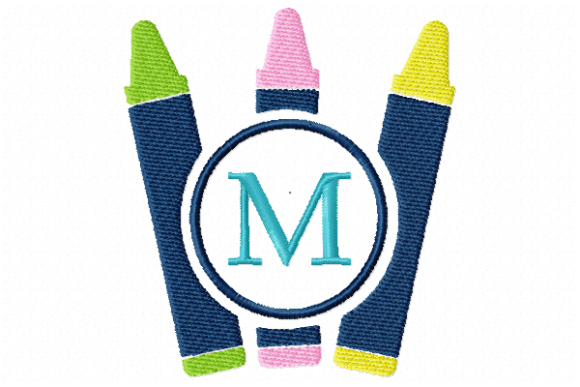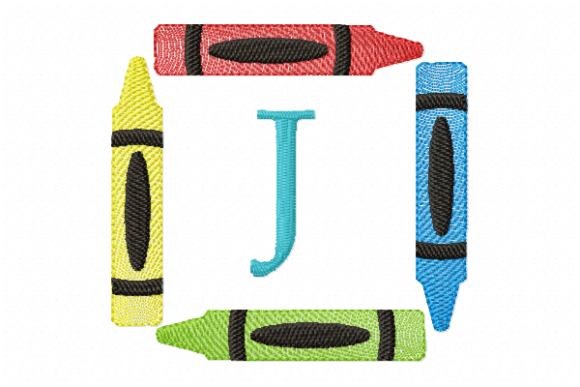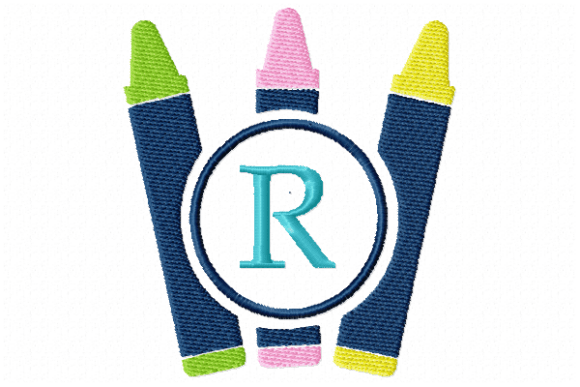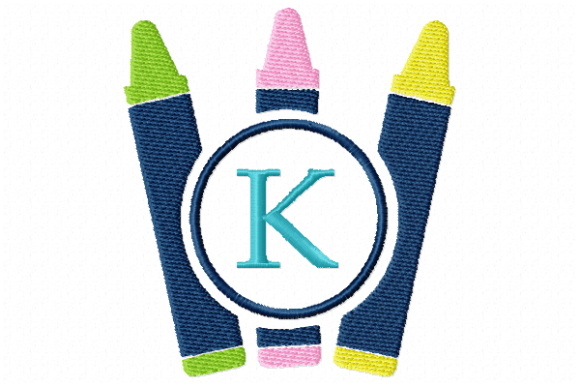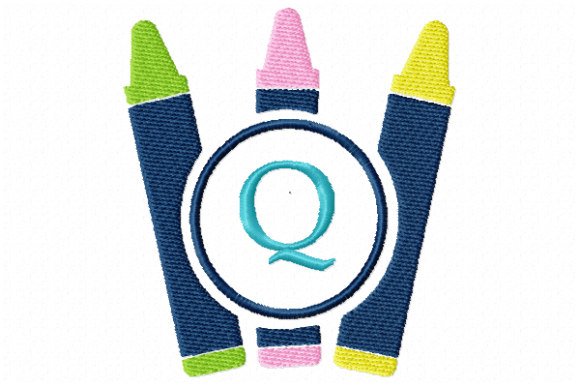
Crayons Frame Monogram Letter Q Embroidery Design
When a new embroidery file comes across my desk, my first question as a professional embroidery designer is always: "Can this design build a brand?" It’s not just about decoration; it’s about creating assets that communicate identity, build trust, and add tangible value to merchandise. Let’s review the Crayons Frame Monogram Letter Q machine embroidery design from this exact business perspective.
First Impression: Playful Professionalism for Modern Brands
The Crayons Frame Monogram Letter Q design immediately strikes a balance between playful charm and structured branding. The crayon motif suggests creativity, education, and a handmade touch, while the monogram frame provides a classic, recognizable anchor. This combination is powerful for small businesses aiming to appear friendly yet professional. A boutique, a creative studio, a children’s cafe, or a craft-focused Etsy shop could leverage this visual personality. It feels quirky enough to stand out and classic enough to avoid looking fleeting or overly trendy.
Versatility in Real-World Business Applications
The true test of any embroidery design is its performance across the spectrum of small business merchandise. Here’s how I see the Crayons Frame Monogram Letter Q functioning in commercial embroidery projects.
Branded Patches and Product Labels
This design is a strong candidate for an embroidered patch. The framed letter provides clear brand identification—perfect for stitching onto tote bags as a maker’s mark or onto aprons for a bakery or florist. As a patch applied to product packaging or as a label on handmade goods, it elevates the perceived value. The crayon elements subtly communicate a story of creativity and care, enhancing a handmade product's presentation.
Staff Uniforms and Workwear Accents
For uniforms like polo shirts, aprons, or work shirts, the design offers a more engaging alternative to a plain text logo. It can work as a chest logo on a café staff shirt or as a sleeve detail. On a cap, the circular frame layout is generally suitable for the curved front, provided the stitch density and sizing are managed correctly. It creates a consistent, recognizable brand identity across the team.
Merchandise for Customer Engagement
For selling branded merchandise—whether in a physical shop or an online Etsy store—this design adds a fun accent. Embroidered onto towels, t-shirts, or home decor, it transforms a generic item into specific, brand-aligned merch. It’s particularly resonant for businesses with a “Back To School” seasonal connection or those targeting families and educators, making it excellent for event merch or customer gifts.
Critical Considerations for Production Success
While the design has clear potential, its successful execution depends on mindful application. Here are key points every embroidery shop, apparel decorator, or merch creator must evaluate.
Sizing and Stitch Density on Small Items
The detailed crayon outline and the monogram letter require careful scaling. At very small patch sizes—for instance, on a cap front or a tiny product label—the fine details might become lost or create overly high stitch density, leading to fabric puckering. Always test it at your intended production size on the actual fabric first. The spacing between the crayons and the letter "Q" needs to remain clear even when miniaturized.
Thread Color Contrast and Fabric Texture
The playful nature suggests using multiple thread colors, but for a clean, professional look on dark uniforms like navy aprons or black polo shirts, a simplified, high-contrast color scheme is advisable. Test it in black and white first to gauge its fundamental shape and recognition. Textured fabrics like towels or certain tote bag materials can obscure finer details; using a proper stabilizer is non-negotiable here.
Integration with Other Design Assets
Before committing, compare the embroidered output of Crayons Frame Monogram Letter Q beside your other brand assets. Does it maintain visual consistency with your website, packaging, or other logos? A printable mockup for client approval is a crucial step. This ensures the final product aligns with the overall brand identity and meets the client’s expectation for professionalism.
Building Brand Identity and Customer Trust
A well-executed embroidery design does more than adorn an item; it builds a narrative. The Crayons Frame Monogram Letter Q, when stitched onto a staff apron or a store’s tote bag, tells customers that the business is creative, approachable, and attentive to detail. This enhances customer trust and recognition. In a market saturated with generic goods, such a distinctive mark makes your merchandise memorable, increasing buyer engagement and reinforcing brand loyalty.
Practical Designer Notes for Business Use
Based on my experience, here is a concise checklist for implementing this digital embroidery file for commercial purposes.
- Always Test: Hoop the design at your intended size on a sample of the real production fabric (e.g., apron cotton, cap mesh, tote bag canvas).
- Check Contrast: Review thread color contrast for the fabric color. Vibrant colors might pop on light fabrics but fail on dark ones.
- Confirm Licensing: Before any business production, confirm the commercial licensing terms of the embroidery file. This is a mandatory step for legal protection.
- Create a Mockup: Generate a digital or physical mockup for your client or for your own brand planning. Seeing it in context prevents costly missteps.
- Mind the Hoop: Ensure your standard hoop size can accommodate the design at the size you need, especially for larger items like towels or decor.
- Plan for Durability: For items needing frequent washing, like uniforms, evaluate the stitch coverage and stability. A dense, well-balanced design will last longer.
In conclusion, the Crayons Frame Monogram Letter Q machine embroidery design presents a valuable opportunity for small businesses seeking to infuse their custom apparel and merchandise with a blend of charm and brand clarity. By focusing on its application as a serious branding tool—for patches, uniforms, caps, and tote bags—and by adhering to rigorous production testing, this design can transition from a cool, quirky accent to a powerful asset for building a recognizable and trusted brand identity.