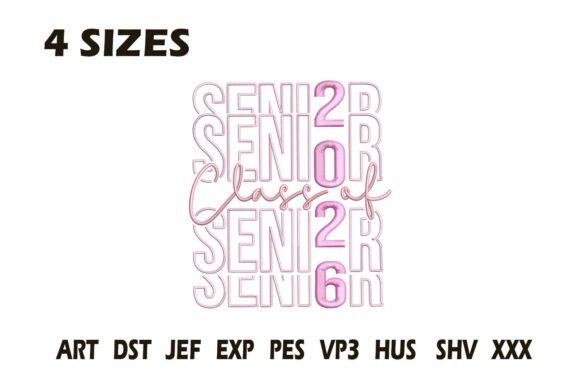
Class of 2026 Senior Embroidery: A Designer's Hands-On Review
When a new embroidery file lands on my desktop, I'm not just looking at an image; I'm thinking about thread, fabric, and the final product on someone's shelf. This Class of 2026 Senior Embroidery design prompts that exact practical scrutiny.
First Impression: Playful Charm with a Clear Purpose
My initial take is that this design has a specific, joyful mood. It's not a generic academic motif; it feels celebratory. The layout and typography suggest a whimsical touch, exactly as the description notes, which immediately tells me it belongs on items meant for recognition and pride. The detail level appears balanced—likely enough visual interest to stand out without becoming overly dense and problematic on stretchy fabrics. Its personality leans fun rather than formal, which opens up a wide range of project applications.
The Real-World Embroidery Scenario: A Custom Graduation Tote
Let's picture a real case: a client orders a personalized tote bag for a graduating senior. I'm considering this Class of 2026 design. On a sturdy canvas tote, the playful theme would translate beautifully, adding a handmade, personalized gift feel that surpasses a generic store-bought item. The design’s charm would enhance the product's value, making it a keepsake. For an Etsy seller or small shop, this becomes a strong seasonal listing—a perfect back-to-school or graduation season product that engages buyers looking for something unique.
Where This Design Performs Brilliantly
Thinking through my usual project list, this embroidery file naturally fits several key areas.
- Apparel & Soft Goods: It would be excellent on sweatshirts, t-shirts, or baby items (like a celebratory baby blanket for a future grad!). The whimsical nature works well on home decor—pillow covers or tea towels in a family home.
- Gift & Boutique Products: Its inherent celebratory theme boosts its giftability. Stitched on a nice apron or kitchen towel, it becomes a heartfelt holiday or wedding gift for a family with a student.
- Commercial & Small Business Use: For craft fair products or boutique merchandise, it offers clear recognition. It could serve as a standalone embroidered patch, adding versatility for the maker.
The design's clarity should translate well into stitching, supporting customer trust in the handmade presentation. It feels like a design that maintains brand consistency for a shop specializing in celebratory or personalized products.
Practical Considerations & Areas for Caution
No design is universally perfect, and a professional review must note where careful application is needed. Here’s my realistic assessment for this Class of 2026 Senior Embroidery.
- Fabric Choice: On very thin or stretchy fabric, the stitch density needs to be evaluated. Always test on a scrap first.
- Scale & Detail: If hooped very small, the potentially tiny lettering and decorative accents might lose clarity. It’s wise to confirm the minimum practical hoop size.
- Complex Surfaces: On curved surfaces like caps, the layout’s details might need adjustment in positioning.
- Color Contrast: On dark fabric backgrounds, thread color contrast is paramount. I'd advise checking it in a black-and-white mockup to judge contrast levels.
- Product Durability: For items needing frequent washing, like towels, using proper stabilizer and reviewing stitch integrity is crucial.
Designer Notes for a Successful Project
Before loading this machine embroidery design for a client order or shop product, here’s my checklist.
- Test First: Always stitch a sample on your target fabric—scrap canvas for a tote, or similar knit for a sweatshirt. This reveals any density or pull issues.
- Stabilizer is Key: Match your stabilizer to the fabric texture. A woven tote might need less than a stretchy t-shirt.
- License Check: Confirm the licensing terms for this digital embroidery file. Can you use it for commercial embroidery projects, selling finished products on Etsy or at craft fairs? Never assume.
- Mockup Variety: Create printable mockups on both light and dark backgrounds to preview the finished product for your shop listings. This boosts professionalism and buyer engagement.
- Thread Planning: Review the implied thread colors. Does the playful theme suggest brights, or more classic scholastic colors? Plan your palette to enhance the design’s appeal.
Ultimately, this Class of 2026 Senior Embroidery design strikes me as a valuable digital asset for makers targeting the back-to-school and graduation niches. Its charm is its strength, but that charm must be backed by practical embroidery know-how. When applied thoughtfully on the right product, it should create a clean, engaging, and professional-looking finished product that feels both personal and celebratory—exactly what a great embroidery project should achieve.