An Embroidery Designer's Review of Classic Red Apple
When I’m selecting designs to produce for a weekend craft fair, my criteria are strict. The design must be visually appealing from a distance, translate well across multiple products, and be practical to embroider in batches. As I evaluate the Classic Red Apple design for my upcoming booth, I’m considering all these factors from a professional’s point of view.
First Impression: A Timeless, Bright Symbol
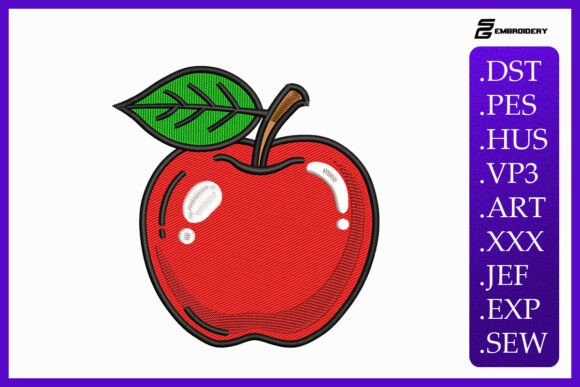
The title, Classic Red Apple, immediately tells me this is a straightforward, universally understood symbol. There’s no ambiguity. This design leans into a bright, cheerful, and timeless aesthetic. It feels neither overly rustic nor too modern; it sits comfortably in a decorative, classic space. This is a significant advantage. At a bustling market, customers process visuals quickly. An apple is instantly recognizable as a symbol of freshness, simplicity, teacher appreciation, or home. This clarity is a powerful selling tool.
Where Classic Red Apple Stands Out on the Booth Table
My booth display will feature a range of items: tote bags, aprons, tea towels, caps, small fabric pouches, pillow covers, and giftable kitchen items. I need to visualize where this apple will shine.
Strong Focal Points for Home and Kitchen
On kitchen towels and aprons, the Classic Red Apple is a perfect fit. It taps directly into the ‘food’ category with a bright, clean look. Embroidered on a crisp white or natural linen towel, it becomes a premium, handmade upgrade to a mundane item. For an apron, positioned centrally on the pocket or skirt, it acts as a charming, almost nostalgic focal point. These applications feel natural and increase the perceived value of the base product.
Versatile Accents for Bags and Wearables
On tote bags and market bags, this design can work as either a single, bold statement or a repeating pattern. A single, well-placed apple on the front of a canvas tote creates a polished, gift-ready look. As a smaller accent on a fabric pouch or cap, it adds a touch of personality without overwhelming the item. For baby clothes, mentioned in the description, its simple, friendly shape is ideal, provided the stitch density is suitable for softer fabrics.
Seasonal and Gift-Driven Appeal
The mention of teacher gifts and seasonal décor is key. This design isn’t locked to a single season, but its bright red color gives it a warm, autumnal or back-to-school vibe. In my booth, I could group apple-embroidered items—a towel, a small pouch, a patch—into a “Teacher Appreciation” bundle. As a embroidered patch, it’s highly versatile for customers who want to customize their own items, expanding its appeal beyond my finished products.
Practical Production and Selling Considerations
Turning a digital embroidery file into a profitable craft fair product requires careful planning.
Evaluating Design Clarity and Scale
I must assess how this design performs at different sizes. A classic apple shape likely has defined curves and a stem. My immediate questions are: Does it retain clarity when stitched small for a cap or baby item? Are there any tiny details or potential dense stitch areas (like the core) that could become problematic on textured fabrics like towels or on curved surfaces like caps? Before any batch production, I will test the design on scrap fabric, including both light and dark fabric to check thread contrast. I’ll also stitch it at various hoop sizes to see its limits.
Batch Production and Photographing for Sales
For a busy fair, I need designs that are efficient to produce. The simplicity of the Classic Red Apple suggests it could be quite repeatable for batch production. However, I must confirm the stitch density and review spacing to ensure it doesn’t require excessive time or thread per item, which affects my pricing. For my Etsy listings and online presence, a clean, bright apple photographs well. It provides a strong visual in printable mockups and on real product photos, making the handmade quality evident. A crisp, high-contrast image like this can attract more attention in a crowded online marketplace.
Material and Application Notes
The description mentions various items, so I must consider material specifics. For tea towel embroidery, I’ll need the right stabilizer to handle the fabric’s loose weave. For apron embroidery, often on thicker canvas, I’ll check that the design doesn’t have too many tightly packed stitches that could pucker. Creating at least one real mockup of each key product (like a tote bag and a towel) is non-negotiable. It reveals real-world texture and appeal. I’ll also compare fabric colors; a bright red apple might pop wonderfully on natural linen but may need a white or light thread outline on a dark denim tote.
Boosting Booth Appeal and Customer Engagement
A craft fair is a visual and tactile experience. The Classic Red Apple design contributes to several booth strengths.
Its visual appeal is direct and friendly. It can draw customer attention from a few feet away, especially if displayed on a brightly colored tote bag amongst more complex designs. It enhances product value by transforming a simple commodity into a unique, crafted item. For my brand consistency, if my shop leans toward classic, home-focused motifs, this apple fits seamlessly into that collection, making my booth display cohesive.
Most importantly, it encourages buyer engagement. An apple is relatable. Customers might comment, “That’s perfect for my child’s teacher!” or “I love that on the towel!” This opens a conversation. I can then mention its versatility for patches or other items, potentially increasing the sale. Having a range of products featuring the same core design—from small patches to large pillow covers—showcases its utility and gives customers choice, which is key for sales.
Final Designer Notes Before Production
My review concludes that the Classic Red Apple has strong market potential for craft fairs and handmade shops. Its universal symbolism and bright, classic style make it a versatile candidate for kitchen items, bags, and gifts. To move forward responsibly, I will undertake these final steps:
- Test rigorously on scrap fabric representing all intended final materials (canvas, linen, terry cloth, cotton).
- Check thread contrast for both light and dark backgrounds to ensure the design remains vivid.
- Inspect stitch density and detail size to confirm it works at my intended smallest and largest hoop sizes.
- Use the right stabilizer for each fabric type to guarantee a clean stitch on every finished product.
- Create at least one real mockup of a prime seller, like a kitchen towel or tote bag, for my booth sample display.
- And crucially, confirm commercial licensing for the digital embroidery file before selling any finished products. The description provides a use list, but I must verify the license terms for commercial use at craft fairs and in my online shop.
By addressing these practical aspects, I can confidently transform the Classic Red Apple embroidery file into a collection of high-quality, desirable handmade products that will attract attention and drive sales at my weekend booth. Its strength is in its simplicity and broad appeal, making it a reliable asset for any embroidery business owner targeting the gift and home décor market.