An Applique Review for Real Project Use: 4 Pencil Split Design
As an embroidery designer who regularly evaluates files for commercial and handmade projects, I’ve spent considerable time thinking about how the 4 Pencil Split Applique Embroidery design would perform in a real-world scenario. This isn’t just a visual assessment; it’s a practical consideration of its use on actual products like tote bags, sweatshirts, and personalized gifts.
First Impression: Visual Mood and Project Fit
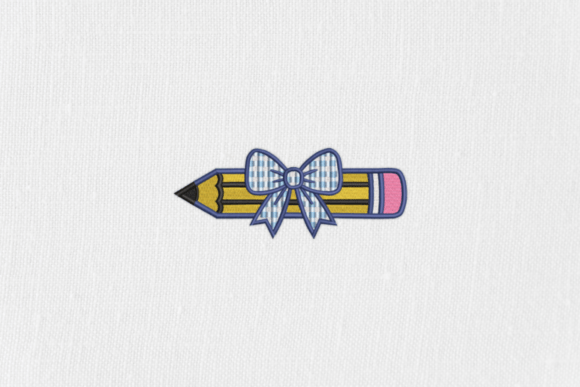
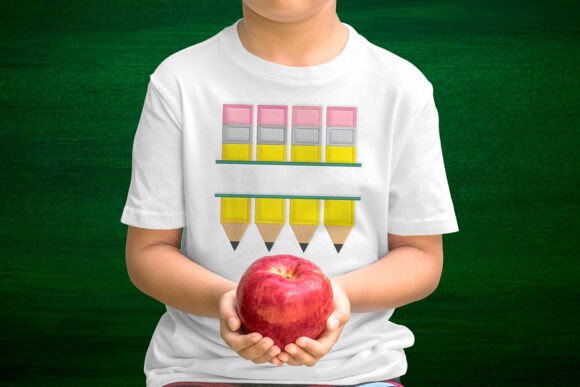
The concept is immediately charming and clear. Four pencils lined up with a central split for custom text creates a visual mood that is playful, celebratory, and neatly structured. The detail level appears balanced for an applique design—not overly simplistic, yet not so intricate that it would become a nightmare on textured or stretchy fabrics. Its stitching personality leans toward clean, decorative appeal, making it a natural fit for projects centered around school celebrations, as the product description suggests.
This design doesn’t scream complexity, which is often a benefit. For Etsy sellers and small business owners, that means it can be efficiently incorporated into a production workflow for items like baby blankets, aprons, or kitchen towels without requiring excessive time or specialized setup. Its strength lies in its customizability; the split for text invites personalization, which directly boosts the perceived value of a handmade product.
Performance in Real Embroidery Work
When imagining this embroidery file on various surfaces, a few key considerations come to mind. For custom apparel like sweatshirts or caps, the design’s linear layout should work well, though the curved surface of a cap requires careful stabilizer choice to keep the pencils from distorting. On tote bags and pillow covers, where fabric is often less stretchy, I anticipate a cleaner finish.
The inclusion of personal text in the split, however, introduces a variable. The success of the final piece will heavily depend on the chosen lettering. If the text file included, or added separately, has tiny lettering or extremely dense satin stitch areas, it could become problematic on fabrics like fleece or terry cloth. This is a crucial point for apparel decorators and craft fair product creators: always test the complete design on scrap fabric first, matching the final project’s material.
Practical Notes for Successful Stitching
- Test on scrap fabric: This is non-negotiable. It reveals how the design interacts with your specific stabilizer and fabric combination.
- Check thread color contrast: The pencils likely use distinct colors. On dark fabric, you may need to adjust or use brighter shades for good visibility.
- Review stitch density: Before running the embroidery file, preview it in your machine software. Areas of high density, particularly in fill stitches for the pencils, could cause puckering on lightweight fabrics like those used for baby items.
- Confirm hoop size: The product description doesn’t specify a hoop size, so you must check the Creative Fabrica product page details. A design this wide may require a larger hoop, limiting its use on smaller items like caps.
- Use proper stabilizer: For stretchy or textured fabrics (think sweatshirts or towels), a sturdy cutaway or multi-layer stabilizer is recommended to support the applique and any satin stitch borders.
Affecting Product Value and Customer Trust
From a business perspective, using a well-executed design like 4 Pencil Split Applique Embroidery directly impacts your product’s marketability. For a handmade shop owner, it enhances visual appeal and brand consistency if you offer a line of school-themed gifts. The design’s inherent giftability is high—it’s clearly for a celebration, making it an easy sell as a personalized gift.
In product photography for Etsy listings or printable mockups, a clean, crisp embroidery result from this file adds a layer of professionalism that builds buyer trust. Customers can see the precise stitching and fun concept, which translates to higher engagement. For creative entrepreneurs selling digital embroidery files themselves, analyzing such designs also offers insight into what makes a commercial embroidery product versatile and user-friendly.
Considerations for Commercial and Frequent Use
If you’re planning to use this design repeatedly for commercial embroidery products—say, a series of patches or boutique merchandise—you need to think about durability. Items like patches or apron designs that will undergo frequent washing require a robust stitch structure. Inspect the small details after your test stitch: are the connections between pencil elements secure? Is the running stitch or satin stitch outline likely to hold under stress?
The licensing terms for this embroidery file are not detailed here, so a vital final step is to confirm file details and licensing on the Creative Fabrica product page before selling finished items. This protects your business and ensures compliance.
Final Thoughts on Project Fit
The 4 Pencil Split Applique Embroidery design from Creative Fabrica presents a solid, thematic option for a range of projects. Its success in real application hinges on the embroiderer’s preparatory work: testing, stabilizing, and choosing complementary text. It’s not a one-size-fits-all file; its performance on dark fabric versus light fabric, or on a curved cap surface versus a flat tote bag, will vary.
For embroidery designers and crafters looking for a Back To School themed asset, this design is worth considering. It offers a customizable framework that can elevate a simple item into a personalized keepsake. Approach it with a practical mindset—understand its requirements through a test run—and it can become a reliable part of your embroidery portfolio for seasonal handmade gifts and custom apparel.