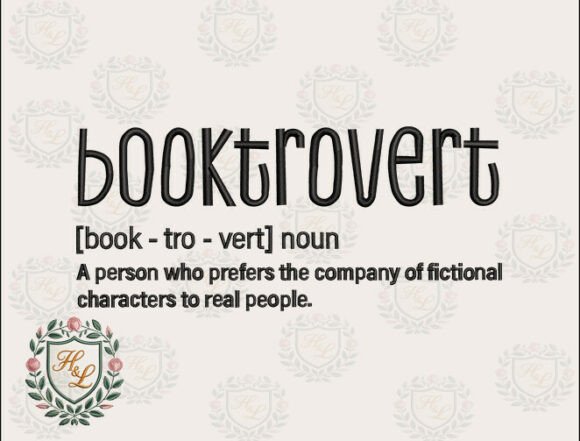
A Designer's Look at Booktrovert Embroidery Files
When a new embroidery file lands in my library, I don’t just look at the preview. I think about the stitch, the fabric, and the final product. Today, I’m considering the Booktrovert Embroidery Files for actual client work and my own small shop merchandise. This appliqué design has a specific charm, and its ‘Back To School’ categorization hints at its narrative, but its real value lies in how it translates from a digital file to a tangible, loved item.
The First Impression: Quiet Charm with Clear Application
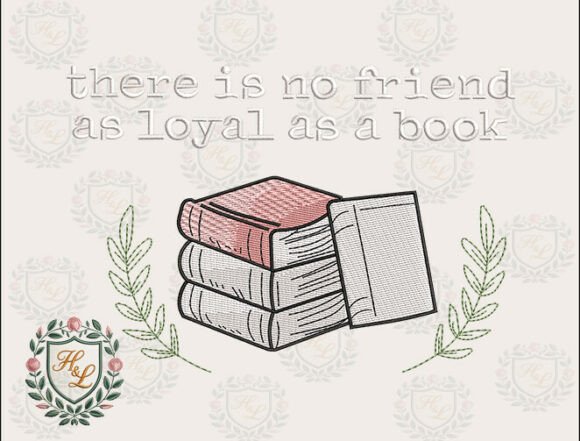
The design immediately strikes a mood of cozy, quiet enthusiasm. It’s not loud or overly decorative; its personality is in its theme and clean layout. This isn’t a design that shouts—it whispers a story. That subtlety is a strength for certain products. For a handmade gift or boutique item, this kind of visual personality can feel more personal and thoughtful than a generic graphic. The detail level appears balanced: likely using a combination of satin stitch for definition and fill stitch for the main elements, which should translate well to embroidery without becoming overly dense.
Where This Design Naturally Belongs
Thinking through my current projects and past client requests, I see a few natural fits. A custom embroidered tote bag for a book lover is an obvious winner. The scale would be perfect on a bag panel. I’m also picturing it on the left chest of a soft cotton sweatshirt—a subtle statement piece. For baby clothes or nursery decor, if styled with the right playful thread colors, it could make a sweet, personalized gift. Pillow covers and kitchen towels are another excellent canvas; the design would elevate a simple home good into a specialty item. In a small business context, this could become a signature product for an Etsy seller focusing on literary themes or personalized gifts.
A Real Scenario: Preparing a Boutique Tote Bag
Let’s walk through a real case. I’m preparing a small batch of tote bags for my local craft fair. I want a design that appeals to a niche but feels high-quality. I pull up the Booktrovert file. My first step is always a test on scrap fabric—a mid-weight cotton canvas similar to the tote material. I need to see how the appliqué elements lay, if the stitch density feels right for the fabric texture, and if any tiny details, like possible small lettering, remain clear. A good stabilizer is key here. On a tote bag, which gets handled, the embroidery needs to be robust. This design, being an appliqué style, should layer nicely, creating a tactile, premium feel that customers associate with a quality handmade product.
Performance in Key Embroidery Situations
For custom apparel like t-shirts, I’d be cautious about the fabric. On a thin or stretchy tee, a design with multiple layers or dense areas might pull or distort. This seems more suited to stable fabrics: sweatshirts, bag material, aprons, or pillow covers. For caps or hats with curved surfaces, I’d need to carefully check the hoop size and how the design’s layout adapts to the curve. On dark fabric, thread color contrast becomes paramount—a bright, contrasting palette would make this design pop and maintain stitching clarity.
As a patch, it could be fantastic. A finished embroidered patch based on this file would have clear commercial appeal. For holiday gifts, say a festive decoration or a personalized pillow, it fits the ‘thoughtful gift’ category perfectly, boosting its giftability. For digital product sellers using it in printable mockups, the clean lines should render well, aiding buyer engagement.
Where to Use With Care
Every design has its limits. In very small hoop sizes, the integrity of the design’s elements might compress, losing appeal. On highly textured fabrics like some blankets, the finer details could get lost. I would avoid using it on layered garments where the embroidery might be subject to constant friction. The corners and any intricate decorative accents need to be inspected after a test stitch to ensure they aren’t too sharp or prone to snagging. And for products needing frequent washing, like baby clothes, ensuring the stitch structure is secure and using quality thread is non-negotiable.
How It Affects Value and Trust
From a business perspective, a well-executed embroidery file directly impacts customer trust and product value. When a design stitches out cleanly with no surprises, it makes the entire process professional. The Booktrovert design, applied correctly, should result in a polished finished product. That consistency is what builds a brand for a creative entrepreneur. It makes the handmade presentation look intentional and skilled, not amateur. For an apparel decorator or small shop owner, that reliability is everything.
Practical Designer Notes Before You Stitch
Before committing this to a client project or a batch of products, my checklist is practical:
- Always stitch a test on scrap fabric that matches your final product material.
- Check thread color contrast against both light and dark fabric backgrounds. Sometimes a design looks great in a white mockup but needs color adjustments for dark garments.
- Review the stitch density in your test. Is it appropriate for your fabric? Too dense can stiffen a t-shirt; too light might not look substantial on a tote.
- Confirm the required hoop size for your machine. The product description doesn’t list specifics, so this is a crucial step in your software.
- Inspect any small details in the stitched sample. Are they clear and durable?
- Use the proper stabilizer for your fabric type. This is especially critical for appliqué designs to ensure clean edges.
- Most importantly, confirm the licensing terms of the Booktrovert Embroidery Files before selling finished items or using it in commercial embroidery projects. Understanding whether it’s for personal use, commercial use, or requires attribution protects your business.
Embroidery is a blend of digital asset and physical craft. The Booktrovert Embroidery Files offer a thematic starting point with a lot of potential. Its real success depends on how you, as the maker, apply it—with the right fabric, the right technique, and a clear vision for the final product it will become.